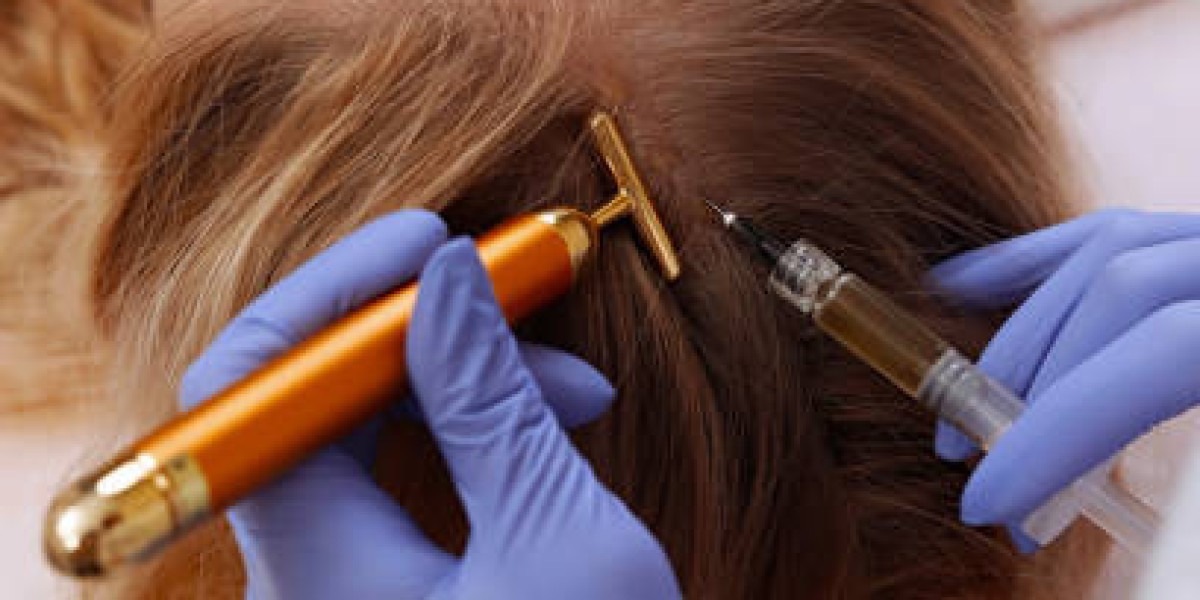

https://www. enfieldroyalsaudia. com/prp-hair-treatment/The treatment uses concentrated platelets from the patient’s own blood to support the scalp environment and encourage healthier hair growth.
However, PRP may not be suitable for everyone, so understanding candidacy is an important first step. Understanding PRP Hair TreatmentPRP therapy involves drawing a small sample of blood, processing it to concentrate platelet-rich plasma, and carefully introducing the prepared plasma into targeted areas of the scalp. The platelets contain growth factors that may support tissue repair and follicle activity.
People researching prp treatment price in riyadh should first understand that suitability, treatment goals, and the recommended number of sessions are more important considerations when evaluating this procedure. How PRP May Support Hair GrowthPRP is primarily intended to improve the scalp environment and support existing hair follicles. It may help strengthen weakened follicles, improve hair thickness, and reduce the appearance of progressive thinning in appropriate candidates.
Results can vary depending on the underlying cause of hair loss, the condition of the follicles, and individual biological responses. Who May Be a Good Candidate? People With Early or Moderate Hair ThinningIndividuals experiencing early-stage or moderate thinning may be suitable candidates because PRP is generally focused on supporting existing follicles rather than creating completely new follicles.
People who still have active but weakened hair follicles may have a better opportunity to respond to regenerative treatment. Individuals With Certain Types of Hair LossPRP may be considered for people experiencing pattern-related hair thinning and some other forms of non-scarring hair loss. A professional assessment is important because hair loss can result from hormonal changes, nutritional deficiencies, medical conditions, medications, stress, or scalp disorders.
Identifying the underlying cause helps determine whether PRP is an appropriate option. People Seeking a Non-Surgical ApproachThose who prefer a minimally invasive option may consider PRP because it does not involve traditional hair transplant surgery. The procedure uses the patient’s own blood components and typically requires little downtime, although temporary tenderness, redness, or swelling can occur after treatment.
Who May Not Be an Ideal Candidate? Advanced or Permanent Follicle LossPRP may have limited potential when hair follicles have been permanently damaged or when advanced hair loss has resulted in extensive areas without viable follicles. In such situations, another hair restoration approach may be more appropriate.
Certain Medical or Scalp ConditionsPeople with active scalp infections, some blood disorders, platelet-related conditions, or specific medical circumstances may not be suitable for PRP. Certain medications can also influence treatment considerations. A complete medical and scalp assessment should therefore be completed before proceeding.
What to Expect From a PRP AssessmentA consultation usually involves discussing the pattern and duration of hair loss, reviewing relevant medical history, and examining the scalp and hair density. The assessment helps determine whether the follicles are likely to respond to PRP and whether another treatment or combination approach may provide more appropriate support. PRP is not an instant solution for hair loss.
Hair growth occurs gradually, and individual results differ. Following the recommended treatment schedule and maintaining appropriate scalp and hair care can be important for achieving and maintaining the best possible outcome. Understanding the cause of hair loss is essential before selecting a treatment.
PRP may be valuable for suitable candidates, particularly those with weakened but viable follicles. A personalized evaluation can help establish realistic expectations and determine whether PRP alone or another approach better matches the individual’s needs. PRP suitable for everyone experiencing hair loss?
No. PRP is more appropriate for certain types and stages of hair loss.
Bình luận
0 phản hồi